
Industries / Food & Beverage
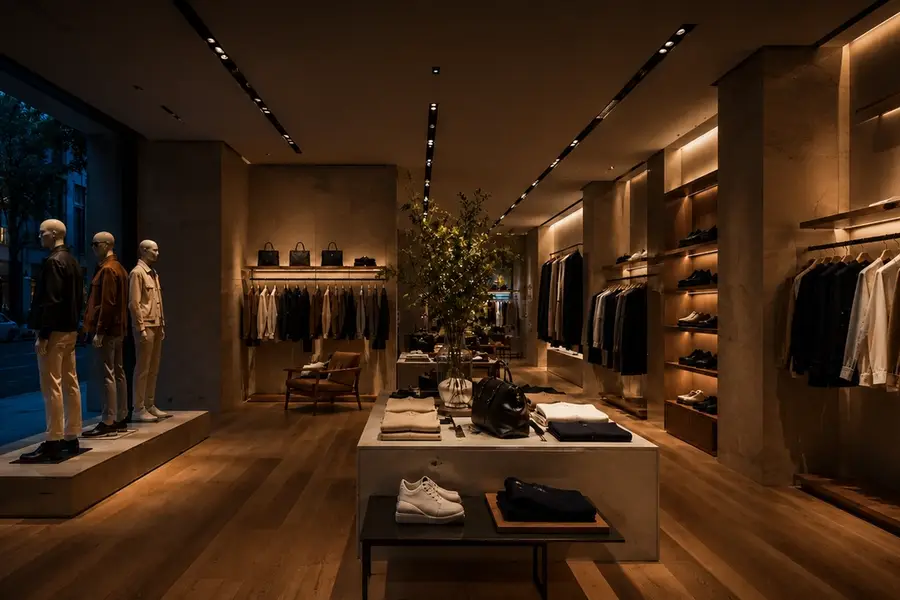
Restaurant scenting India. Entrance cue, dining floor, bar.
Ambient scenting for standalone restaurants, cafe chains, bars, and food courts. Pre-meal cue, mid-meal layering. IFRA certified fragrance. Pan-India service from Mumbai.
Coverage range200 to 10,000+ sqft
Hardware fitCold-air + standalone
Install window14 days
ServiceAMC, IoT, audits
Coverage range200 to 10,000+ sqft
Hardware fitCold-air + standalone
Install window14 days
ServiceAMC, IoT, audits
The brief
F&B scenting is about appetite, not identity.
Three problems appear in every restaurant brief. Each has a contracted answer.
Problem 01
Kitchen smells overwhelm the dining experience.
Strong cooking odours in the dining floor undercut the brand. Guests describe the visit as 'greasy' or 'smells like a canteen'. The fix is entrance cueing and low-intensity dining floor layering — not masking.
Problem 02
Entrance fails to create appetite or anticipation.
The first two seconds outside the door are the highest-leverage scent moment in F&B. Most restaurants miss it entirely. A single well-chosen fragrance at the entrance changes dwell-time and reservation conversion.
Problem 03
Scent on the dining floor competes with the food.
Scent that's too strong or wrong in family becomes a distraction. The brief in F&B is light layering that adds warmth without registering as fragrance. Less is always more on the dining floor.
Why scent, why F&B
Appetite is cued before the menu is opened.
The entrance is the highest-leverage two seconds in the room. A citrus or gourmand cue at the door primes appetite and signals kitchen quality before a guest reads a single review.
Inside, scent has to stay quiet. If a diner can name the fragrance, it's competing with the food. We layer it under the meal, never over it.
Appetite cuingEntrance momentKitchen-safe zoning

What it moves
Three numbers F&B operators track.
01
Entrance conversion
A primed appetite cue at the door measurably increases the rate at which passersby step inside rather than keep walking.
02
Perceived quality
Restaurants that smell intentional — not of yesterday's fryer — score higher on ambience in guest feedback, independent of food quality.
03
Repeat visits
A consistent signature across outlets becomes a recall cue: guests associate the smell with the meal they enjoyed, and come back for both.
Zoning
Three zones. Entrance cue, dining floor, bar.
F&B scenting is zone-specific. Each area has different goals, intensity levels, and hardware.
Zone 01
Entrance
The entrance handles the brand cue and appetite trigger. Citrus, woody, or gourmand families work depending on the cuisine positioning. Runs at moderate intensity, off during peak service when kitchen ventilation dominates.
Citrus · Woody · GourmandA305 cold-air
Zone 02
Dining floor
Low-intensity scenting that adds atmospheric warmth without registering consciously as fragrance. Never competes with the food. Woody and fresh families work best. Intensity capped at 1 to 2 of 5. IoT-scheduled around meal service peaks.
Woody · FreshA305 + IoT scheduling
Zone 03
Bar & lounge
Bar areas tolerate heavier signatures than the dining floor. Oriental, gourmand, and spiced woody families suit evening trading hours. Scheduling steps up after 7 pm and off at close.
Oriental · Gourmand · WoodyA305 cold-air
01 · Appetite is cued before the menu is opened.
Fragrance direction
A starting shortlist for F&B briefs.
Every signature is custom. These four are the most-specified starting points across Indian restaurants and cafe chains.
Signature 01
Warm Amber & Vanilla
Gourmand warmth. Cafe, bakery, and casual dining flagship. Reads as welcoming without smelling edible.
Caramel · Vanilla · Tonka · Sandalwood
View scentSignature 02
Bergamot & Cedar
Fresh citrus with depth. Clean, appetite-neutral, good for health and fast-casual positioning.
Bergamot · Lemon · Cedarwood · Musk
View scentSignature 03
Sandalwood & Oud
Grounded woody. Premium dining, Indian-cuisine flagships, and upscale bar settings.
Cardamom · Sandalwood · Oud · Vetiver
View scentHardware fit
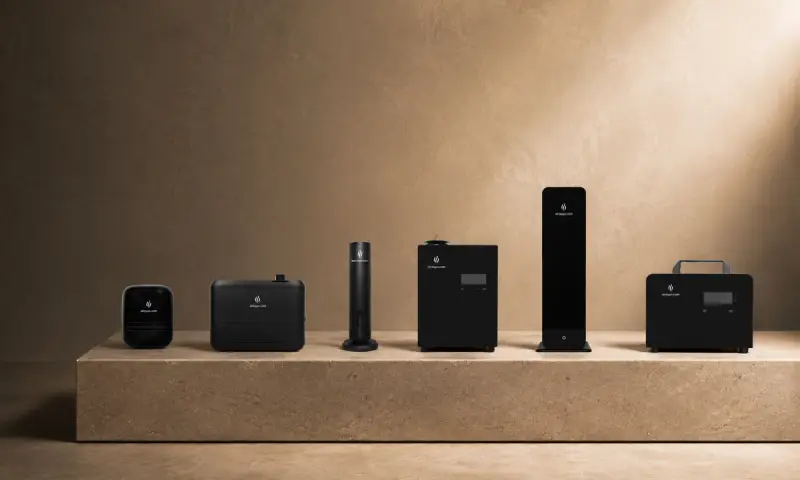
Cold-air units cover most F&B briefs.
Specified by zone, ceiling height, and service hours.
How we work
From menu brief to dining floor in four steps.
01
Cuisine & brand brief
Discovery on cuisine type, price positioning, and brand character. Site walk to assess zone separation and kitchen ventilation.
02
Sample & sign-off
Fragrance shortlist dispatched. Sampled at the entrance and dining floor. Signed off before install.
03
Install & zone
Hardware installed and zoned. IoT schedules calibrated to service hours. 14-day window from PO.
04
AMC & audit
Refills on managed schedule. Quarterly intensity audit. Scent rotation on request.
F&B FAQ
What restaurant buyers ask before they shortlist.
Will the scent compete with food smells in the kitchen?
Scent is applied at entrance and dining zones only, never in kitchen or prep areas. Low-intensity dining floor diffusion adds warmth; it does not mask kitchen output.
How do you choose a fragrance that doesn't clash with the menu?
Fragrance family is matched to cuisine positioning, not specific dishes. Gourmand and woody families suit warm, comfort-led menus. Citrus and fresh suit health and fast-casual. Discovery call establishes the brief.
Can scent be scheduled around service hours?
Yes. IoT-enabled hardware allows per-zone schedules. Most F&B installs run entrance scenting at medium intensity, dining floor at low, and scale off during full-service peaks if kitchen ventilation dominates.
Is it safe for guests with allergies?
All fragrances are IFRA-compliant, phthalate-free, and shipped with current MSDS. Allergen disclosure available on request. Intensity can be lowered further on request.
What is the minimum space for a single-outlet install?
We install from 200 sqft. Single-outlet and multi-outlet pricing both available. No artificial minimum on fragrance volume.
How often are refills needed?
Typical schedule: 30 to 60 days depending on intensity, operating hours, and zone count. We track and dispatch on a managed schedule.
Do you work with franchise chains?
Yes. Multi-outlet franchises are a core use case. Group pricing, centralised fragrance supply, and per-outlet hardware management.
Food & Beverage — Airosyn
F&B scenting decoded.
Restaurant scenting in India: the commercial case.
Restaurant scenting is the deliberate use of ambient fragrance at entrance and dining zones to build appetite, extend dwell time, and reinforce brand character. Indian F&B operators use it to stand out in dense dining corridors and increase repeat visit rates.
Entrance cuing: the highest-leverage scent moment in F&B.
The first two seconds outside the restaurant door are where scent has maximum impact. A citrus or gourmand entrance cue triggers appetite and signals quality before the guest crosses the threshold. Most restaurants miss this entirely.
Dining floor scenting: less is always more.
On the dining floor, the goal is atmospheric warmth at low intensity — not a fragrance experience. If a guest can name the scent, it is too strong. Woody and fresh families at 1 to 2 of 5 intensity add depth without competing with food.
IFRA certified fragrance for Indian restaurants.
Every Airosyn F&B fragrance is IFRA-compliant, phthalate-free, and MSDS-documented. Production is India-based. GST-invoiced under Airosyn Perfusia Private Limited. Procurement-ready for chains and franchises.