What is scent marketing? A B2B operator's guide.
The commercial case for ambient scent across retail, hospitality, and workplace. What it is, how it works, and why Indian operators are adopting it now.
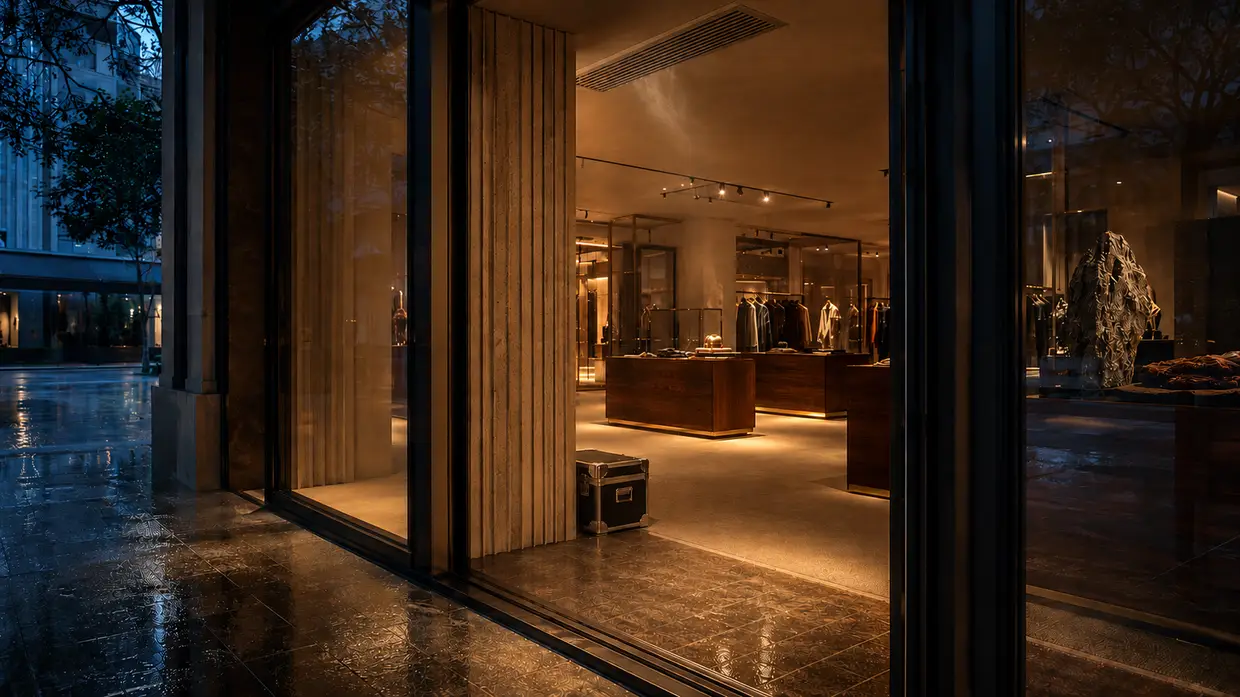
Scent marketing is the only brand asset you experience before you see anything.
Scent marketing is the deliberate use of fragrance to shape how a commercial space is perceived, remembered, and described. It is not air freshener. It is not masking. It is a managed sensory input, engineered to a brand brief and measured against commercial outcomes.
The discipline has been practiced in hotel groups and luxury retail since the 1990s. In India, it arrived in serious form around 2018 — first in five-star hospitality, then in fashion retail, and now across offices, healthcare, and automotive showrooms.
This is the guide for the B2B buyer who has heard the term and wants the unvarnished version: what it actually is, how it works, what it costs to do properly, and what the evidence says.
What scent marketing is not
Before the definition, the negatives — because the category is full of noise.
It is not air freshener. Air freshener masks odours at high intensity and fades inside forty minutes. Scent marketing operates at a fraction of that intensity, continuously, with a fragrance chosen for brand resonance rather than odour neutralisation.
It is not aromatherapy. Aromatherapy is a therapeutic practice using essential oils at concentrations that affect physiology. Scent marketing uses commercial IFRA-certified fragrances at ambient concentrations — below any therapeutic threshold.
It is not a plug-in diffuser from a pharmacy. Those units use heat, which changes the aromatic profile of the oil and degrades quickly. Professional scent marketing uses cold-air or HVAC diffusion with oil formulated for commercial volumes and consistent projection.
The gap between consumer diffusion and commercial diffusion is the gap between a table fan and a commercial HVAC system. Same category, different engineering.
The commercial case
Three outcomes are consistently measured across scent marketing installations. They are not theoretical. They are measured by operators who ran control conditions.
Dwell time. Scented retail environments hold customers longer. The most-cited academic study (Spangenberg, Crowley & Henderson, 1996) showed a 31.8% increase in perceived time in a scented store versus an unscented one. More recent commercial data from Indian retail installers shows 8 to 14% increases in actual dwell time.
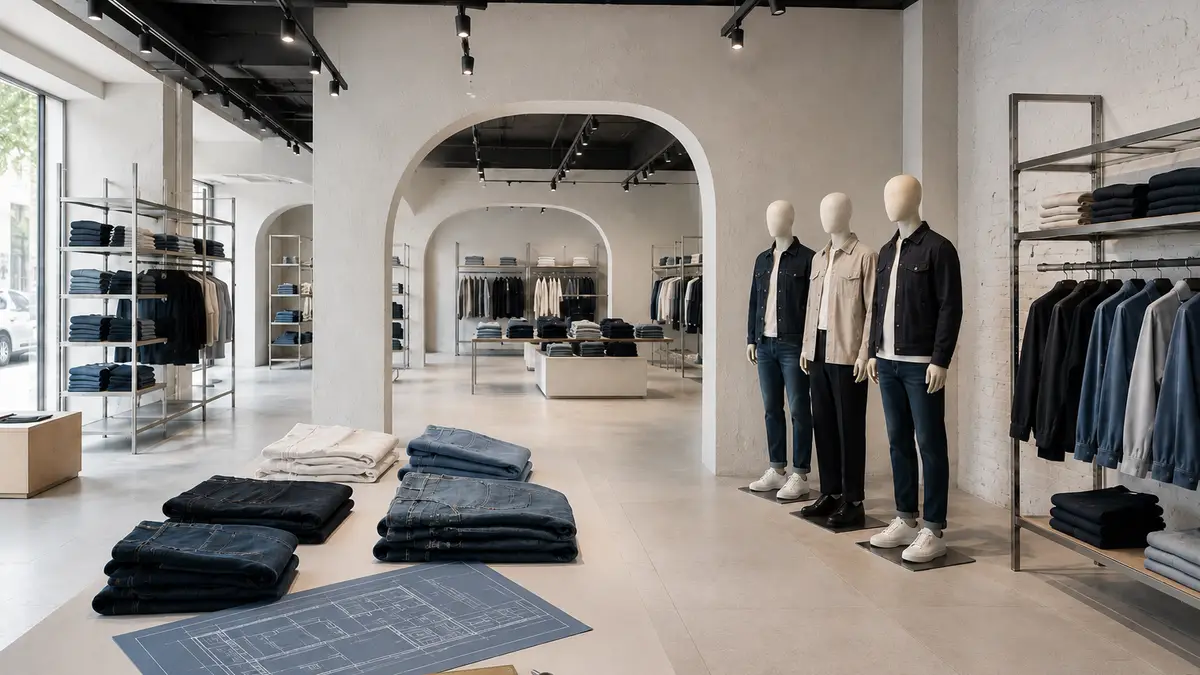
Transaction value. Longer dwell converts to larger baskets. Our installation at Sportsyard in Bangalore returned a 30% increase in average transaction value against a pre-install baseline over the measured period.
Brand recall. Scent is processed by the olfactory bulb, which connects directly to the hippocampus and amygdala — the memory and emotion centres. A signature scent is retrieved as an emotional memory, not a factual one. This is why guests can identify a hotel brand by smell alone. The Mandarin Oriental's fragrance is not a marketing claim. It is a coded memory trigger.
The workplace case adds a fourth outcome: productivity and focus. This is the application most operators are sceptical about until they see the post-install self-report data from their own teams. The mechanism is real. Lavender reduces cortisol. Citrus increases alertness. The effect sizes are modest. They are also consistent.
How it works operationally
A commercial scent marketing installation has three components: the fragrance, the hardware, and the managed service.
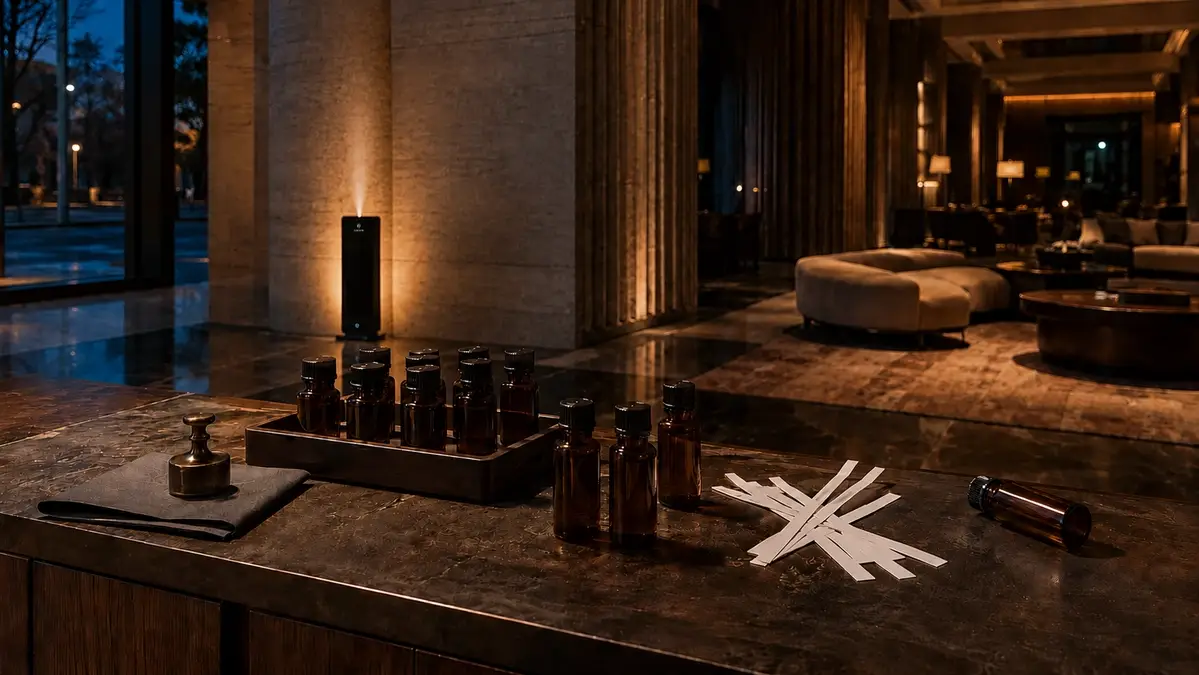
The fragrance is a commercial concentrate, IFRA-certified, and formulated to project correctly at the intended intensity and coverage. It is not a retail perfume. Retail perfumes are designed to project from skin heat. Commercial fragrance is designed to diffuse from cold-air or HVAC systems into volumes ranging from 200 to 50,000 square feet.
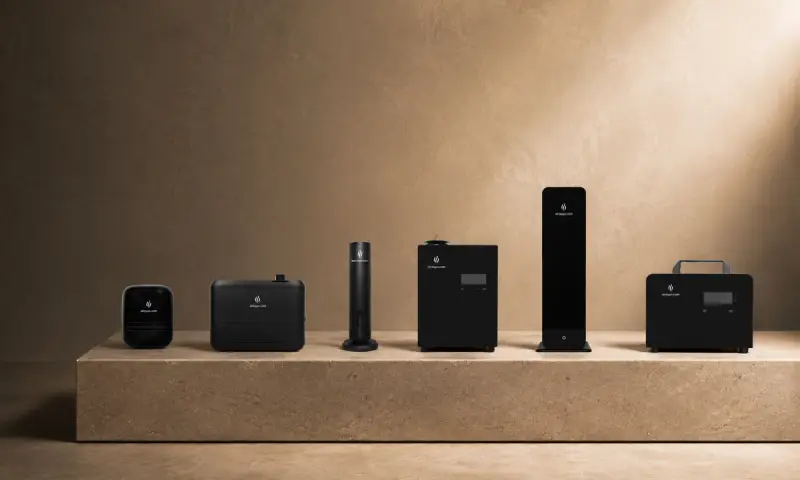
The hardware falls into three categories:
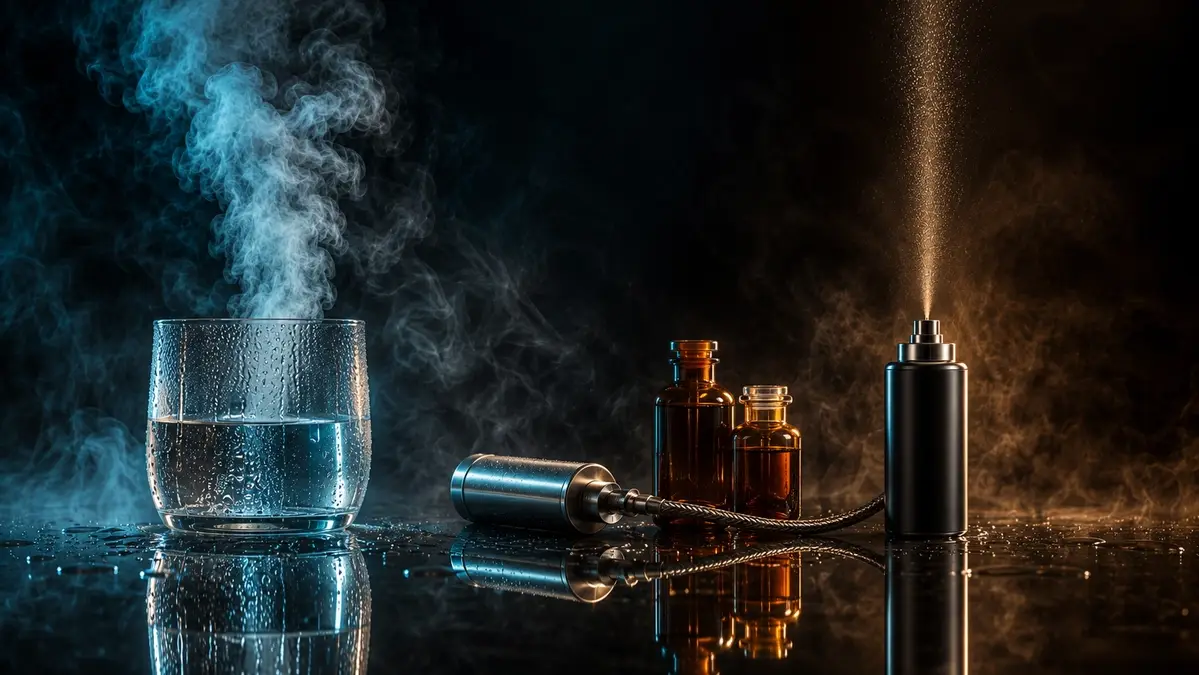
Cold-air diffusion is the professional standard. It pumps micronised oil (sub-5 micron droplets) into the airstream without heat, water, or chemical propellant. The oil is not altered. The coverage is consistent. The unit runs on a schedule.
The managed service is where most operators underestimate the requirement. A fragrance system requires refills every 30 to 60 days, depending on intensity and operating hours. It requires annual intensity calibration as the building's HVAC changes. It requires a vendor who answers when the unit throws a fault code at 7 AM on a Saturday before a wedding.
The operators who have the worst experience with scent marketing are the ones who treated it as a one-time purchase. The ones who have the best experience treat it as a utility — managed, renewed, and audited.
What IFRA certification means and why it matters
Every fragrance we produce is IFRA-compliant. IFRA is the International Fragrance Association, the global body that sets safety standards for fragrance compounds. Compliance means the fragrance has been formulated within the concentration limits that IFRA's toxicology panels have determined are safe for human exposure in the relevant application.
For a B2B buyer, IFRA certification means two things practically:
- Liability. If a guest or employee has a documented adverse reaction to an IFRA-compliant fragrance at correct diffusion intensity, the operator's liability position is defensible. Without certification, it is not.
- Procurement. Most institutional buyers — hotel chains, healthcare networks, corporate facilities managers — now require IFRA compliance as a tender condition. We ship MSDS documentation with every fragrance batch.
Phthalate-free is an additional requirement many buyers specify. All Airosyn fragrances are phthalate-free. Phthalates are plasticising agents that can act as endocrine disruptors. They are increasingly excluded from commercial fragrance briefs.
The Indian market context
India's scent marketing market is approximately five to seven years behind Southeast Asia and fifteen years behind Europe. That gap is closing fast, for three reasons.
Premium retail is national now. A brand with 150 stores across India cannot manage scent store-by-store with locally sourced solutions. It needs a vendor who can deploy a consistent signature from Mumbai to Chandigarh in a single rollout. That infrastructure now exists in India.
Hospitality expectations have risen. International hotel brands entering India have established the category norm. Domestic groups now compete against that standard. The Marriott lobby in Pune set the baseline. The independent hotel three blocks away is now judged against it.
The economics work at Indian scale. Cold-air diffusion hardware has commoditised. Fragrance production at scale in India is cost-competitive with imports. A commercial scent installation for a 2,000-square-foot store now costs less than a month's spend on Meta ads for the same store. The ROI conversation is no longer theoretical.
How to start
If you are evaluating scent marketing for the first time, the sequence is:
- Write the brief before talking to any vendor. Three brand adjectives. One sentence about the building. One fragrance family to avoid. This takes twenty minutes and will save you six weeks.
- Request samples. Any serious vendor will dispatch a physical sample kit for shortlisted fragrances. Do not make a decision based on descriptions.
- Install on a single site first. A flagship or highest-traffic location. Run for sixty days with a before-and-after baseline on the metric that matters (basket size, dwell time, NPS, whatever the operating goal is).
- Negotiate the managed service, not just the hardware. The fragrance is a consumable. The service contract is where the long-term value lives. Ask about refill scheduling, remote diagnostics, and annual audit protocols before you sign.
The signature scent for your business is a brand asset. Unlike most brand assets, it has a measurable effect on the revenue outcome. Treat it accordingly.